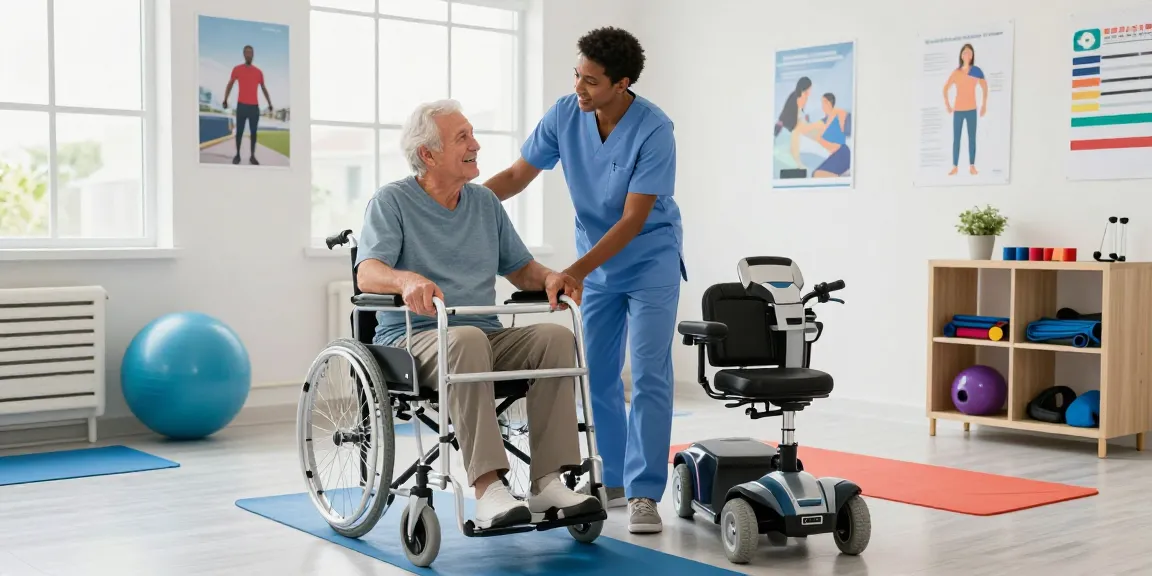
Understanding Medical Mobility Equipment
As we progress into 2026, the importance of medical mobility equipment is becoming increasingly evident. Designed to enhance the independence and quality of life for individuals with mobility challenges, this equipment plays a pivotal role in various settings, from homes to hospitals. With advances in technology and an aging population, understanding what medical mobility equipment entails, its types, and its benefits is crucial for anyone facing mobility issues or caring for those who do. When exploring options, medical mobility equipment provides comprehensive insights into the various aids available to enhance mobility for those in need.
What is Medical Mobility Equipment?
Medical mobility equipment refers to a variety of devices designed to assist individuals who have difficulty moving due to age, illness, or disability. These devices are tailored to support mobility in day-to-day activities and can significantly improve the independence and safety of users. Examples include walkers, wheelchairs, scooters, and canes, which are all designed to meet specific user needs. The goal of this equipment is not only to facilitate movement but also to promote overall wellbeing and preserve dignity in mobility.
Types of Medical Mobility Equipment
- Manual Wheelchairs: Lightweight and easy to transport, manual wheelchairs require the user or a caregiver to propel them.
- Electric Wheelchairs: Powered by batteries, these wheelchairs provide users with the ability to navigate without manual effort, making them ideal for individuals with limited upper body strength.
- Mobility Scooters: Perfect for outdoor use, mobility scooters are designed for individuals who may need assistance over longer distances.
- Walkers: Providing support and stability, walkers are suitable for those who can bear some weight but require assistance with balance.
- Canes: A common aid for individuals who need minimal support, canes help improve balance and stability while walking.
- Stair Lifts: These devices assist individuals in navigating stairs safely and comfortably, enhancing accessibility in multi-level homes.
Benefits of Using Medical Mobility Equipment
The use of medical mobility equipment offers numerous benefits. Firstly, it significantly enhances the independence of users, allowing them to perform daily tasks with less reliance on caregivers. Secondly, mobility aids can reduce the risk of falls, which are a major concern for those with limited mobility. Furthermore, these devices enable individuals to engage more actively in social and community activities, fostering improved mental and emotional health. Lastly, using the appropriate mobility equipment can also prevent secondary health issues related to inactivity and immobility.
Choosing the Right Equipment
Assessing Individual Needs for Mobility
When it comes to selecting the right medical mobility equipment, the individual’s specific needs must be thoroughly assessed. This includes evaluating the degree of mobility impairment, the user’s physical capabilities, and any environmental factors such as home layout or outdoor terrain. Consultation with healthcare professionals, including occupational therapists, can provide valuable insights into the most suitable options available.
Considerations in Selecting Mobility Aids
Several factors should influence the selection of mobility aids, including:
- Weight Capacity: Ensure that the device can safely accommodate the user’s weight.
- Seat Comfort: Look for equipment with supportive seating to enhance user comfort during use.
- Portability: Consider how easy it is to transport the equipment, especially if it will be used outside of the home.
- Adjustability: Features that allow the equipment to be adjusted for height or angle can improve usability.
- Durability: Select equipment made of high-quality materials that can withstand regular use.
Expert Recommendations on Equipment
Healthcare professionals often recommend trying equipment before making a purchase, as fitting and comfort are paramount. Many suppliers offer rental services, allowing users to test different devices in real-world scenarios. Additionally, exploring insurance coverage and financial assistance for mobility aids is advisable to ease the burden of costs associated with these essential tools.
Best Practices for Using Medical Mobility Equipment
Training for Safe Usage
Proper training is crucial for maximizing the effectiveness of medical mobility equipment. Users should receive instruction on how to operate their devices safely, including how to navigate stairs, ramps, and curbs effectively. Regular refresher courses or consultations with healthcare providers can reinforce safe practices.
Maintenance Tips for Longevity
To extend the lifespan and reliability of mobility equipment, regular maintenance is essential. This includes:
- Inspecting wheels and casters for wear and ensuring they spin freely.
- Keeping the frame clean and checking for any loose screws or fittings.
- Regularly charging batteries for electric wheelchairs and scooters.
- Following the manufacturer’s guidelines for servicing and care.
Common Mistakes to Avoid
Several common mistakes can undermine the effectiveness of mobility aids:
- Choosing equipment that is too large or too small for the user.
- Neglecting to use safety features such as brakes or locking mechanisms.
- Failing to involve healthcare providers in the selection process.
Real-World Applications and Case Studies
Success Stories: Improved Mobility
Many individuals have reported transformational changes in their lives after using medical mobility equipment. For instance, a 78-year-old woman who began using a walker reported being able to join her family on walks in the park, something she hadn’t done in years. Similarly, a young man with muscular dystrophy found greater freedom and independence through the use of an electric wheelchair, allowing him to pursue education and social relationships actively.
Innovative Mobility Equipment in Use
There have been significant advancements in the design and functionality of mobility aids. For example, smart canes equipped with sensors to detect obstacles and provide alerts are becoming increasingly popular. These innovations not only enhance safety but also improve the confidence of users in navigating their environments.
Case Study Analysis: Equipment Effectiveness
Studies evaluating the effectiveness of mobility equipment have shown that individuals using these devices often experience improved physical health outcomes. One study indicated that users of electric scooters demonstrated higher levels of physical activity and fewer instances of depression compared to their non-user counterparts. Such findings underscore the importance of choosing the right mobility aids tailored to individual capabilities and lifestyles.
Future Trends in Medical Mobility Equipment
Emerging Technologies and Innovations
The future of medical mobility equipment looks promising, with advancements in technology leading to the development of more intuitive and user-friendly devices. Innovations such as AI-powered mobility aids that adapt to users’ movements and preferences are on the horizon, offering enhanced functionality and personalized experiences.
Predictions for 2026 and Beyond
By 2026, we anticipate significant growth in the market for medical mobility equipment, fueled by an aging population and increasing awareness of mobility solutions. The integration of digital health technologies, such as telehealth consultations for mobility assessments, may also become standard practice, further enhancing accessibility to necessary equipment.
Adapting Equipment for Aging Populations
As the population ages, the focus on developing adaptable and user-friendly mobility aids will be paramount. Equipment designed for ease of use, with features like lightweight materials, adjustable settings, and built-in safety measures, will dominate the market, ensuring that elderly individuals can maintain their independence safely and effectively.
What are the different types of medical mobility equipment?
The various types of medical mobility equipment include manual wheelchairs, electric wheelchairs, mobility scooters, walkers, canes, and stair lifts, among others. Each type is tailored to support unique mobility needs.
How do I choose the right mobility aid for my needs?
Choosing the right mobility aid involves assessing individual mobility challenges, considering the specific features and capabilities of each device, and consulting with healthcare professionals for personalized recommendations.
Can medical mobility equipment help prevent injuries?
Yes, medical mobility equipment can significantly reduce the risk of falls and injuries by providing essential support and stability for individuals with mobility challenges.
What are the maintenance requirements for mobility aids?
Maintenance typically includes regular cleaning, checking for wear on wheels or parts, ensuring batteries are charged (for electric devices), and following the manufacturer’s guidelines for servicing.
What innovations are emerging in the field of mobility equipment?
Innovations such as smart technology in mobility aids, adjustable designs for comfort and functionality, and improved safety features are transforming the user experience and effectiveness of mobility equipment.